
Reviews
Grand Rapids
Hume Band Customer Reviews: What No One Tells You About Wearables for Aging & Disease Prevention
The scientific community has long understood that chronological age and biological age are two distinctly different variables. While one is a fixed progression of time, the other is highly malleable, influenced by sleep, strain, recovery, and systemic stress. Historically, measuring biological aging required frequent, expensive clinical testing. Recently, consumer technology has attempted to bridge this gap, offering continuous biometric tracking to monitor physical decline and recovery.
We set out to evaluate the Hume Health Band, a device explicitly positioned as an advanced wearable for longevity and disease prevention. Rather than simply logging steps or estimating caloric expenditure, this device claims to monitor the underlying physiological markers of aging. The objective of this analysis is to examine the specific hardware capabilities, software algorithms, and practical utility of the device. By relying on empirical observation and manufacturer specifications, this review will determine if the tracker successfully moves the needle from basic fitness monitoring to actionable healthspan extension.
If you want to review the technical specifications or acquire the device for your own health protocol, you can check the current availability of the Hume Health Band here.
My Initial Encounter with the Hume Band
Evaluating any biometric tool requires an assessment of its hardware design, as data collection is entirely dependent on user compliance. A device that is uncomfortable will inevitably yield incomplete datasets due to inconsistent wear.
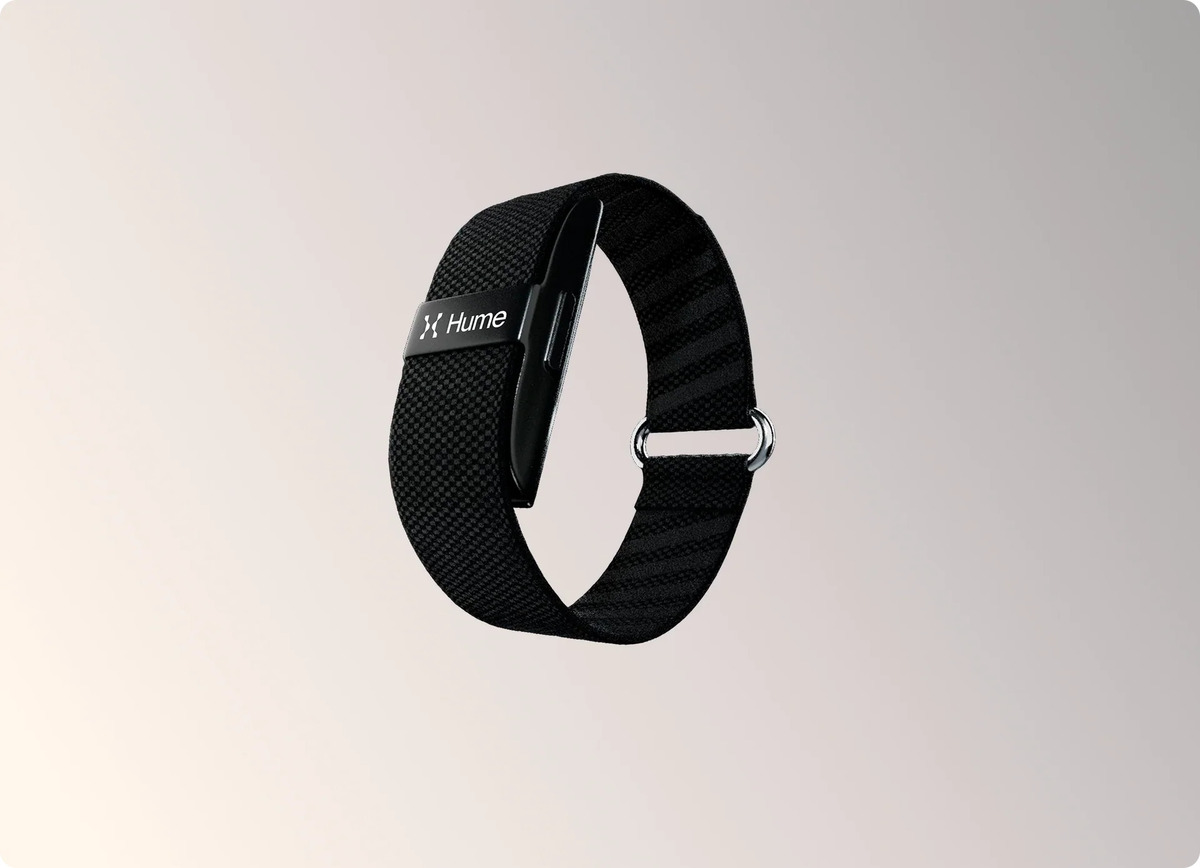
Upon unboxing the Hume Health Band, the physical construction prioritizes continuous wearability. The device utilizes a SuperKnit band, which distributes pressure evenly across the wrist, mitigating the localized skin irritation frequently observed with rigid silicone straps. It is remarkably unobtrusive.
The initial setup protocol was highly systematic. Pairing the band with the smartphone application occurred without signal interruption via Bluetooth Low Energy. Within minutes, the device began establishing an initial baseline.
From a hardware durability standpoint, the sensor unit holds an IP68 rating. This signifies it is dustproof and water-resistant at depths of up to one meter for up to two hours. In practical terms, it does not need to be removed for showering or swimming, ensuring that the longitudinal data collection remains uninterrupted.
More Than Just a Step Counter
Standard fitness wearables typically focus on outputs: how far you ran, how many times your heart beat per minute, or an estimate of the calories you burned. The Hume Health Band shifts the analytical focus to internal biological responses.
The sensor array captures a continuous stream of data points, including Heart Rate Variability (HRV), resting heart rate, blood oxygen saturation (SpO2), skin temperature, and detailed sleep stages. However, the raw data is only a prerequisite. The actual utility lies in how the algorithms synthesize these variables into specific longevity metrics.
One primary metric is Metabolic Capacity. This calculation measures your body's efficiency in producing and utilizing energy. Instead of merely recording that you exercised, it evaluates your internal fuel tank. A higher Metabolic Capacity indicates superior endurance and faster cellular recovery.
Another notable feature is Metabolic Momentum. This dynamic score tracks how your daily physiological responses compound over time. It provides a quantifiable trajectory, indicating whether your current baseline is building physical resilience or accelerating the aging process.
Furthermore, the system includes a Chronic Illness Detection framework. By continuously analyzing circadian HRV patterns, resting heart rates, and skin temperature, the platform flags early deviations linked to cardiovascular strain, inflammatory triggers, or immune system shifts. Catching these subtle, long-term trends before clinical symptoms manifest is the core premise of proactive medicine.
To explore these metrics and see how they apply to your personal baseline, view the Hume Health Band specifications here.
Understanding the "Why" Behind the Sensors
Reliable data requires precise hardware. The Hume Health Band is equipped with five LEDs and four photodiodes, allowing for a high frequency of data capture. This array facilitates the continuous measurement of blood oxygen (SpO2) to detect nighttime breathing disturbances, while also tracking subtle variations in skin temperature that often precede illness.
The scientific foundation of the platform rests on establishing a personalized baseline. Human physiology is highly individualized; a resting heart rate of 60 beats per minute might represent peak recovery for one user and systemic stress for another. The software requires time to learn your specific circadian rhythm.
Once this baseline is secure, the platform calculates your "Biological Age" and "Pace of Aging." By analyzing sleep debt, cardiovascular correlation during rest, and recovery efficiency, the system quantifies the gap between your chronological age and your physical vitality. It even translates these variables into a "Days Added" metric, providing a concrete numerical value to the healthspan you are potentially gaining through optimized recovery protocols.
Integrating the Hume Band into Daily Life
A biometric tracker is only as useful as the daily friction it eliminates. In testing, the device demonstrated a battery life of four to five days under continuous monitoring conditions. When depletion occurred, the charging cycle proved highly efficient, requiring only 30 minutes to reach full capacity. This rapid recharge window minimizes the gaps in your health data.
During practical use, the application interface effectively translates complex variables into actionable guidance. The Sleep Score, for instance, does not just report total duration. It factors in HRV, nighttime movement, and sleep regularity. More importantly, it tracks Sleep Debt—the cumulative gap between the rest your body requires and what it actually receives.
One of the most practical applications observed was the Strain-to-Benefit Ratio. This specific metric calculates whether a given physical exertion is actively building resilience or simply causing fatigue. By utilizing this data, a user can objectively determine when to initiate a high-intensity training session and when to implement a mandatory rest day, entirely removing the guesswork from recovery management.
If you are ready to implement data-driven recovery into your daily routine, explore the Hume Health Band purchasing options.
Identifying the Ideal User
The Hume Health Band is designed for a specific demographic. It serves individuals who require quantifiable evidence of their health status and are committed to proactive disease prevention.
This tool is highly beneficial for professionals managing chronic stress, athletes seeking to optimize recovery windows without risking overtraining, and individuals actively implementing longevity protocols. If you are someone who wishes to understand how a specific dietary change, a new sleep environment, or a modified training load affects your internal physiology, this device provides the necessary feedback loop.
Conversely, it is less suited for casual users whose primary goal is basic step counting or those who prefer smartwatches with heavy notification integration and cellular capabilities. The design philosophy here strictly prioritizes biometric accuracy and health tracking over digital communication features.
Potential Limitations and Realistic Expectations
To maintain scientific objectivity, we must address the limitations inherent in optical sensor technology. The accuracy of any wrist-based photoplethysmography (PPG) sensor relies on proper fit and consistent placement. Users must commit to wearing the band correctly to ensure data integrity.
It is also vital to manage expectations regarding immediate outcomes. The device is a diagnostic tool; it does not cure fatigue or reverse aging on its own. Establishing an accurate physiological baseline requires several weeks of consistent data collection. Users will not receive profound, life-altering insights on day one.
Furthermore, while the raw data tracking and core metrics (like Metabolic Capacity and Health Score) are accessible without a monthly fee, the deepest level of personalized AI longevity coaching requires a premium subscription starting at $8.99 per month. While many users will find the free tier entirely sufficient, those seeking the most advanced algorithmic feedback must factor this recurring cost into their evaluation.
To decide if the platform aligns with your health budget and goals, you can find the Hume Health Band pricing details here.
Beyond the Band: The Hume Health Ecosystem
A significant advantage of this platform is its approach to data ownership. Unlike several prominent competitors in the wearable space that lock all user data behind an mandatory paywall, Hume explicitly states that users own their health data, and it remains exportable. You are not forced into a subscription merely to view the metrics your own body generated.
The broader ecosystem also includes the optional Hume Body Pod, a bioelectrical impedance analysis device that measures comprehensive body composition, including visceral fat and bone density. When paired together, the band and the pod create a highly detailed, clinical-grade picture of physical health.
Hume backs the hardware with a 45-day refund policy, allowing users a reasonable window to test the interface and sensor accuracy. They also offer an optional 10-year warranty that covers hardware and sensor recalibration, indicating a high degree of confidence in the longevity of the physical components.
My Honest Take on the Hume Band for Aging & Disease Prevention
Based on the evidence, the Hume Health Band represents a significant progression in consumer health technology.
The primary advantages include the lack of a mandatory subscription for raw data access, the high-frequency sensor array, and the unique focus on quantifiable longevity markers like Metabolic Momentum and Chronic Illness Detection. The device operates seamlessly in the background, requiring minimal user intervention beyond occasional charging.
The main drawback is the segmentation of the most advanced AI coaching features into a premium subscription model. However, because the base application provides sufficient data to track recovery and sleep debt accurately, this limitation is easily mitigated for the average user.
For those committed to extending their healthspan through verifiable data, the device delivers on its promises. It effectively translates complex physiological signals into straightforward, actionable insights.
To secure the hardware for your own longevity tracking, order the Hume Health Band directly through this link.
Empowering Your Health Journey with Data
Relying on subjective feelings to manage long-term health is an outdated methodology. Fatigue, inflammation, and cellular aging are insidious processes that often evade conscious detection until a critical threshold is crossed.
Wearables like the Hume Health Band provide a necessary layer of objective observation. By continuously monitoring the variables that dictate physical resilience, we gain the ability to intervene early. Adjusting sleep schedules, modifying training loads, and managing stress responses become precise scientific adjustments rather than arbitrary guesses. By leveraging longitudinal data, individuals can take definitive control over their biological trajectory.